
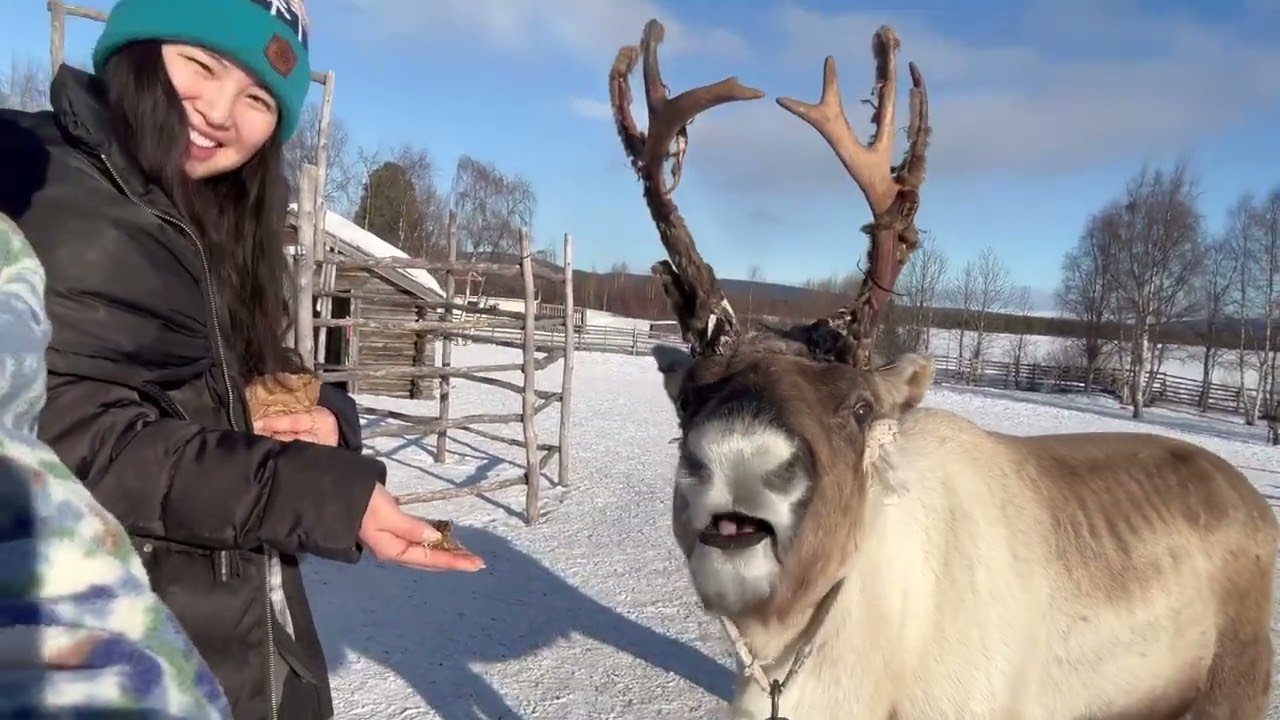
#drnailnipper #reindeer #nordic
➡️ Some Not So Bad Toenails – https://youtu.be/IvhNVRwDgkc
Reindeer farming has been a vital part of the culture and economy in Norway and Sweden for centuries, primarily among the Indigenous Sámi people. These farms are not traditional in the sense of fenced-in livestock but rather involve semi-nomadic herding practices that follow seasonal grazing routes.
Reindeer Farming in Norway
Norway’s reindeer farms are concentrated in the northern regions, particularly in Finnmark, Troms, and Nordland. The Sámi people have exclusive rights to reindeer herding in these areas, a practice protected by law. The reindeer roam freely across vast tundra landscapes, migrating between winter and summer grazing grounds. During the winter, they feed on lichen found beneath the snow, while in the summer, they move to higher altitudes with lush pastures.
Reindeer Farming in Sweden
Similar to Norway, Sweden’s reindeer herding is primarily managed by the Sámi, with farms found in the northern regions of Norrbotten, Västerbotten, and parts of Jämtland and Dalarna. The Swedish government regulates reindeer husbandry, ensuring sustainable grazing and land use. The herders use snowmobiles and helicopters alongside traditional methods, adapting modern technology to their age-old practices.
Economic and Cultural Importance
Reindeer farming is more than just an economic activity—it is deeply tied to Sámi culture, traditions, and identity. The meat, hides, and antlers provide livelihoods for many families, while reindeer racing and other cultural events attract tourists. Sámi handicrafts (duodji), which often feature reindeer leather and bone, are also an important source of income.
Challenges and Sustainability
Despite its long history, reindeer farming faces challenges, including climate change, land encroachment from mining and infrastructure projects, and conflicts with other land users. Warmer winters lead to more ice layers forming over the snow, making it harder for reindeer to access food. Additionally, predator populations, such as wolves and lynx, pose a threat to herds. Governments and Sámi communities are working together to implement sustainable herding practices, including supplemental feeding and land-use agreements.
Tourism and Reindeer Experiences
In both Norway and Sweden, reindeer farms also cater to tourists, offering unique experiences such as feeding reindeer, learning about Sámi culture, and even sleigh rides. Visitors can stay in traditional Sámi tents (lavvu) and hear stories about the rich heritage of reindeer herding.
Reindeer farming remains a cornerstone of Indigenous life in the Nordic regions, blending tradition with modern challenges and opportunities.